

0·
5 days agoIt’s not that I didn’t like it, I just wanted to back to basics! A simple config file on each machine, job done

Sysadmin and FOSS enthusiast. Self-hosting on Proxmox with a focus on privacy and digital sovereignty. Documenting my experiences with Linux, home labs, and the ongoing fight to keep Big Tech out of our hardware.
@unknownuniverse@unkn.uk
It’s not that I didn’t like it, I just wanted to back to basics! A simple config file on each machine, job done
Exactly that, VPS2 handles the WireGuard port and has no domain pointing to it, so it’s basically hiding in plain sight. VPS1 holds the domain and handles the web traffic.
I keep SSH open on both, but locked down (key-based auth + restricted to my IPs).
Your idea of using the provider firewall (Ionos in my case) as a “mechanical” lock is a good one, block it at the edge and only open it when needed. I’ve thought about doing that, but I’m generally happy relying on a hardened SSH config and the provider’s KVM if everything goes sideways.
Thank you for the heads up, turns out it was the custom html code in the code blocks causing the issue. Fixed now.
dist-upgrade and full-upgrade are essentially the same command but yeah, I won’t be using apt upgrade again in the future! Like I said in my post, the joys of being self taught is that you learn by my making mistakes and that’s part of the “fun” 🤣
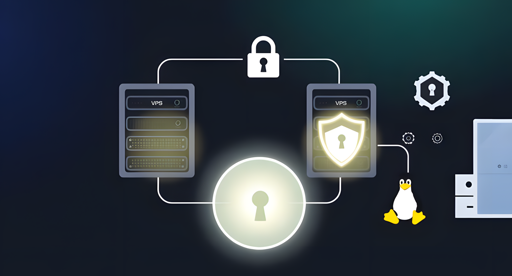
You’re right, and for a lot of people, one VPS is the sensible choice. I actually addressed this in the post:
"VPS1 is my web-facing server. It handles the public side of things. VPS2 is the VPN hub. At first glance, that probably looks unnecessary. Strictly speaking, it is unnecessary. I could have crammed WireGuard onto VPS1 and called it done. But splitting the roles makes the whole thing cleaner.
One machine serves public traffic. The other handles VPN duties. That means fewer networking compromises, fewer chances of Docker or firewall rules becoming annoying, and a clearer separation between the public-facing stack and the private tunnel. It also means I can change one side without poking the other with a stick and hoping nothing catches fire."