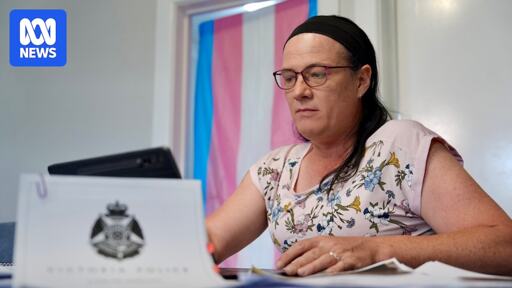
Victoria Police fought a legal battle with a transgender woman for more than two years before admitting it incorrectly referred her to men's support services.
I feel like the solution to this is less gender segregated services. I think all victims of DV should receive aid and support regardless of their being trans, cis, male, female, and everything in between.
She did get support though, just the wrong group. Gendered services aren’t really the issue here, that aspect seems like it worked fine except that she was referred incorrectly.
An aside, but gender division of services is not inherently problematic. Most DV support is done through the same organizations, but male and female DV care has very different needs. The number of men who seek DV support because they are actively at risk of grievous physical harm is vanishingly small, for example; men are generally at risk of losing housing, medical care, are being prevented from accessing their residence or their children are at risk and so male DV support is set up to provide those because that is usually what men most urgently need addressing. This is very counter to womens DV support, which is almost always about removing them from imminent harm ASAP and everything else is secondary. Connecting people to systems designed to provide what they likely most urgently need is critical to providing DV care, and errors can be then corrected once the urgent issues are addressed.
There’s no perfect solution, and unfortunately going with what statistically will improve responses is the best you can hope for. Incredibly rare cases like this, which could have been resolved by simply speaking to the social workers involved, should not be the reason the whole system is slowed down - the solution here is just to make sure people are recorded as their correct genders.


I feel like the solution to this is less gender segregated services. I think all victims of DV should receive aid and support regardless of their being trans, cis, male, female, and everything in between.
She did get support though, just the wrong group. Gendered services aren’t really the issue here, that aspect seems like it worked fine except that she was referred incorrectly.
An aside, but gender division of services is not inherently problematic. Most DV support is done through the same organizations, but male and female DV care has very different needs. The number of men who seek DV support because they are actively at risk of grievous physical harm is vanishingly small, for example; men are generally at risk of losing housing, medical care, are being prevented from accessing their residence or their children are at risk and so male DV support is set up to provide those because that is usually what men most urgently need addressing. This is very counter to womens DV support, which is almost always about removing them from imminent harm ASAP and everything else is secondary. Connecting people to systems designed to provide what they likely most urgently need is critical to providing DV care, and errors can be then corrected once the urgent issues are addressed.
There’s no perfect solution, and unfortunately going with what statistically will improve responses is the best you can hope for. Incredibly rare cases like this, which could have been resolved by simply speaking to the social workers involved, should not be the reason the whole system is slowed down - the solution here is just to make sure people are recorded as their correct genders.