

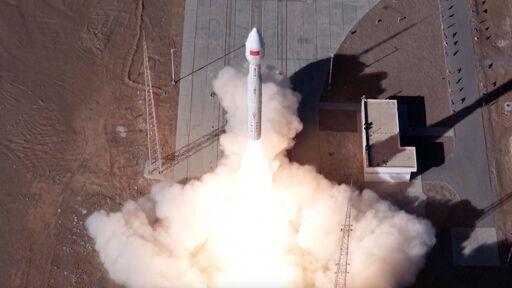
“As far as we know, no coordination or deconfliction with existing satellites operating in space was performed, resulting in a 200 meter close approach between one of the deployed satellites and STARLINK-6079 (56120) at 560 km altitude.”
“As far as we know, no coordination or deconfliction with existing satellites operating in space was performed, resulting in a 200 meter close approach between one of the deployed satellites and STARLINK-6079 (56120) at 560 km altitude.”
It actually is that simple, though. The amount of time that a launcher spends in one of those Kessler Syndrome zones while it passes through to a higher orbit would be measured in minutes. You can likely just ignore it and write off the one-in-a-million times your launcher hits something as just the cost of doing business.
Kessler Syndrome is a problem for satellites that want to orbit within those zones long term, as in spending years in there.
I think the odds would depend on how big the debris field is, but for non human cargo that might be acceptable, but I have a feeling that might not be the case with people on board, in which case they would need armor.
Edit: for non human cargo it could even be an option. Armored + X payload weight for $100/kg. Unarmored $60/kg + Y payload weight. (Made up numbers)