

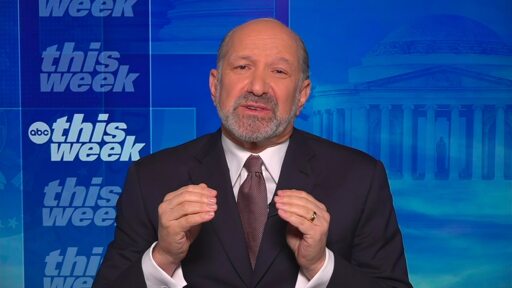
Commerce Secretary Howard Lutnick said Sunday that the administration’s decision Friday night to exempt a range of electronic devices from tariffs implemented earlier this month was only a temporary reprieve, with the secretary announcing that those items would be subject to “semiconductor tariffs” that will likely come in “a month or two.”
“All those products are going to come under semiconductors, and they’re going to have a special focus type of tariff to make sure that those products get reshored. We need to have semiconductors, we need to have chips, and we need to have flat panels – we need to have these things made in America. We can’t be reliant on Southeast Asia for all of the things that operate for us,” Lutnick told “This Week” co-anchor Jonathan Karl.
I still don’t get the point of tariffs. Here’s a Reason TV interview w/ Danial Hannan, a Conservative politician in the UK (bias: Reason TV is a “libertarian” publication), and he says there are three arguments the Trump administration is making in favor of tariffs:
The interviewee argues all three are wrong, and argues that they’re incompatible:
Here are some other fun arguments:
So why would we want to move manufacturing here? It’s just going to shift jobs away from services to manufacturing, which would be a net reduction in total value.
The better solution is to train the workforce to develop services, which are more lucrative. There’s an argument that we need some amount of local production for national security reasons (i.e. if supply lines get disrupted, we need some minimum level of production capacity in wartime), but we don’t need to make everything.