with no selection pressure, they can become "Stupider: since people drop refuse and scraps for them to feed off of, plus next to no threats from birds of prey in cities.
You’ll notice their range includes essentially everywhere on earth, though they really thrive in cities.
Due to their greater abundance in cities than most other birds, feral pigeons support many peregrine populations as a staple food source, especially in urban settings.
The peregrine is a highly successful example of urban wildlife in much of its range, taking advantage of tall buildings as nest sites, and an abundance of prey such as pigeons and ducks.
There is still plenty of selection pressure. However, there has been even more artificial selection. Darwin was actually fascinated by domestic pigeons and studied them intensively https://pmc.ncbi.nlm.nih.gov/articles/PMC3288640/

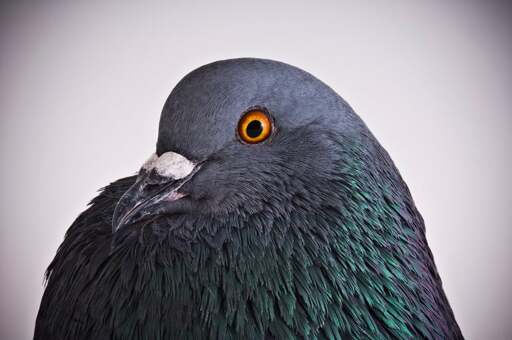
with no selection pressure, they can become "Stupider: since people drop refuse and scraps for them to feed off of, plus next to no threats from birds of prey in cities.
Let me introduce you to the peregrine falcon
You’ll notice their range includes essentially everywhere on earth, though they really thrive in cities.
DDT really did a number on urban avian predators; it gets concentrated up the food chain and then the eggs of birds become too fragile.
I haven’t checked in for a few years, but I think New York City was making efforts to reintroduce them.
And it’s funny to me to have an environmental initiative largely motivated by “something needs to be killing all these fucking pigeons.”
partially some red tailed hawks have made cities thier homes.
Even seagulls eat pidgeons
There is still plenty of selection pressure. However, there has been even more artificial selection. Darwin was actually fascinated by domestic pigeons and studied them intensively https://pmc.ncbi.nlm.nih.gov/articles/PMC3288640/
Pigeons are domesticated animals that humans abandoned. Of course they’re dependent on human trash - just like stray dogs and cats are.